Showing posts with label laparoscopic surgeon in Nashik. Show all posts

Thursday, March 31, 2022

thumbnail

Laparoscopic Surgeon Explains Gastrointestinal Perforation


What is gastrointestinal perforation?

According to a laparoscopic surgeon in Nashik, when a hole forms all the way through the stomach, large bowel, or small intestine, this is referred to as gastrointestinal perforation (GP).


It can be caused by various diseases, including appendicitis and diverticulitis. It can also be caused by trauma, such as a knife or gunshot wound. Perforation of the gallbladder is also possible. This can cause symptoms similar to those of gastrointestinal perforation.

Peritonitis can also be caused by a hole in your gastrointestinal system or gallbladder. Peritonitis is an inflammation of the lining of the abdominal cavity.

It happens when any of the following substances enter the abdominal cavity:

•        Bacteria

•        Bile

•        Gastric acid

•        Partially digested food

•        Stool

A GP is a medical emergency that necessitates immediate medical attention. The condition is potentially fatal. Early diagnosis and treatment improve the chances of recovery.

This condition is also known as intestinal perforation, says the best laparoscopic surgeon in Nashik.

What are the signs and symptoms of GI perforation?

GP symptoms can include:

•        Severe stomach ache

•        Chills

•        Fever

•        Nausea

•        Vomiting

The abdomen becomes extremely tender when a gastrointestinal perforation occurs and peritonitis develops. When someone touches or palpates the area or when the patient moves, the pain frequently worsens. When lying still, pain is generally relieved, says the doctor of laparoscopic surgery in Nashik.

Peritonitis symptoms can include, in addition to general perforation symptoms:

•        Fatigue

•        Passing fewer stools, urine, or gas

•        Breathing difficulties

•        A rapid heartbeat

•        Dizziness

What factors contribute to gastrointestinal perforation?

GP can be caused by a variety of illnesses, including:

•        Appendicitis, which is more common in the elderly

•        Diverticulitis, a digestive disorder

•        A gastric ulcer

•        Gallstones

•        Infection of the gallbladder

•        Less common inflammatory bowel diseases such as Crohn's disease or ulcerative colitis

•        Cancer of the digestive tract

The condition could also be caused by:

•        Blunt abdominal trauma

•        An abdominal knife or gunshot wound

•        Thoracic surgery

•        Stomach ulcers caused by aspirin, non-steroidal anti-inflammatory drugs (NSAIDs), and steroids (more common in older adults)

•        Consuming foreign objects or caustic substances

Smoking and excessive alcohol consumption increases your risk of GP.

The condition can also be caused by bowel injuries sustained during an endoscopy or colonoscopy in rare cases, says the GI surgeon in Nashik.

Friday, February 18, 2022

thumbnail

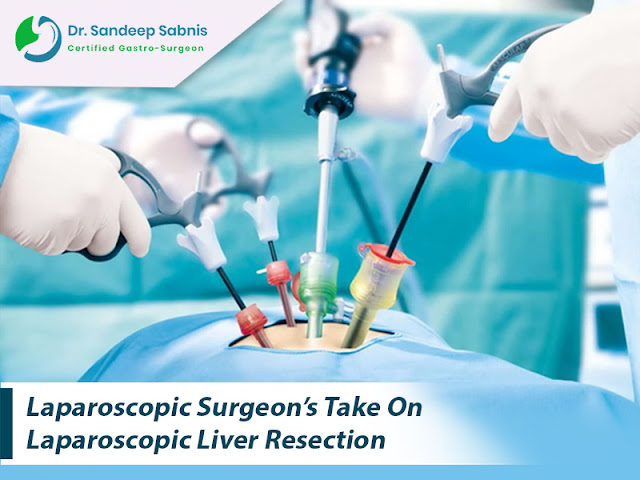
Laparoscopic Surgeon’s Take On Laparoscopic Liver Resection

 Laparoscopic procedures are minimally invasive, accomplishing the same goal as traditional open procedures. A liver resection aims to extract a liver mass safely and efficiently. Laparoscopic surgery provides patients with more miniature incisions than open surgery, allowing quicker healing and better cosmetic results. Patients often have less pain and can get back to their regular activity sooner, says a laparoscopic surgeon in Nashik.

laparoscopic surgeon in Nashik


What happens during this procedure, and how much time does it take?

After the patient sleeps with general anesthesia, anywhere from 3 to 7 small incisions are made to extract the liver mass. Depending on the number and location of lesions and how much liver needs to be extracted, the procedure can take from 1 to 7 hours.

What preparation is needed before the procedure?

Patients are urged to maintain a physically active lifestyle and minimize their alcohol consumption in the weeks leading up to the surgery. Patients consult their surgeon to go over the specific steps required before the procedure. Most patients receive a gentle bowel preparation to move the colon during the operation. The gentle bowel prep also helps avoid postoperative constipation, says the best lap surgeon in Nashik.

What is the recovery time?

Depending on the extent of the liver operation, patients usually stay 1 to 6 nights in the hospital. Depending on the procedure, the surgeon will discuss the specifics of the postoperative recovery period with each patient. Since the liver regenerates, the recovery will depend on how much the patient’s liver needs to re-grow. Most patients will experience significant fatigue 2 to 4 weeks after the operation.

What can affect outcomes?

Physically stronger patients usually have an easier recovery after the operation. Preoperatively and postoperatively, walking for 15-30 minutes each day speeds recovery. Patients should restrict alcohol consumption and other substances toxic to the liver before and after the operation, says the laparoscopic surgeon in Nashik.

Saturday, January 29, 2022

thumbnail

Advantages Of Laparoscopic Gastrectomy For Gastric Cancer


Introduction

As a group, gastrointestinal cancers are the most typical cancers globally. Common gastrointestinal system cancers include cancers of the esophagus, stomach, colon and rectum, pancreas, gall bladder and liver, says the best lap surgeon in Nashik.

laparoscopic surgeon in Nashik


The operation

In surgery for gastrointestinal cancers, the affected part of the organ is removed, along with neighboring tissues and lymph nodes. Traditional open surgery needs a long incision on the abdomen, which results in delayed healing, extended hospital stays and nasty scars. Surgeons developed an approach to minimize suffering and enhance outcomes, which is called a laparoscopic, keyhole, or minimally invasive surgery. Laparoscopic surgery has changed the field of abdominal surgery. It is one of the most critical innovations in the last few decades that have wholly changed surgery practice. It has now become a norm for most gastrointestinal operations.

The technique

A few small holes called ports are made in the abdomen in laparoscopic surgery, says the laparoscopic surgeon in Nashik. One of them is then utilized to insert a small specially designed high-resolution camera. The camera then projects a magnified sight of the inside of the abdomen onto a high-definition monitor. The rest of the ports are used for inserting specially designed long and thin instruments. The surgeon uses the instruments for operation by looking at the monitor. 

Advantage everywhere

Minimally invasive surgery is advantageous for the patients in several ways. A long cut in the abdomen is not required in this surgery. Post-operative stress and pain are remarkably reduced, leading to a faster recovery and shortened hospital/ICU stay. The quantity of blood loss in the process of surgery is very less. There is a quicker return of intestinal movement, which is lost for some time after an open abdominal operation. The overall complication rate is decreased. 


Other benefits of laparoscopic surgery

According to the laparoscopic surgeon in Nashik, the other benefits of laparoscopic surgery are:

·         Less chance of hernia formation

·         Reduced need for painkillers

·         Improved quality of life

·         Lesser risk of infection

Wednesday, December 29, 2021

thumbnail

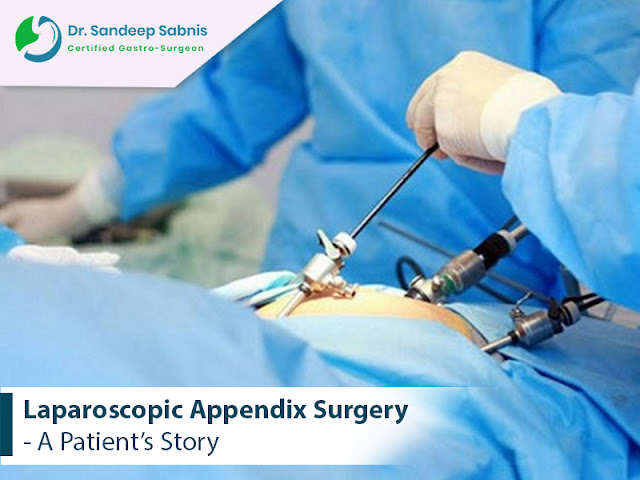
Laparoscopic Appendix Surgery - A Patient’s Story

Introduction

Currently, I am 19 and a first-year college student in Nashik. Since I was a child, I have been an active and fun-loving girl, and I have always loved different kinds of sports, such as swimming, soccer, etc. However, it all came to a halt with sudden sharp pain on the right side of my abdomen. It happened when I was 17. I used to get this kind of pain before, but it usually went away after a while. I did not think much about it. This time the pain didn’t go away and it got worse when I coughed or walked. Along with the pain, I was simultaneously suffering from loss of appetite, nausea, and vomiting. 

My mom took me to our family doctor and he recommended a few tests. I was diagnosed with appendicitis. I was in complete shock and due to limited knowledge on this particular subject, I was terrified that I would never be able to play soccer again.

laparoscopic surgeon in Nashik


Fighting back

Our family doctor referred me to the best laparoscopic surgeon in Nashik. He recommended a few more tests and suggested I undergo laparoscopic surgery upon seeing the results. The results showed my appendix to be swollen, sore and infected and there was a severe risk of burst or rupture.  

I spoke to him about my fear of not participating in sports post-surgery. He was very empathetic, cleared all my doubts, and told me that the surgery would not cause any harm to my normal day-to-day activities. I underwent laparoscopic surgery and went home the same day of the operation. After 3-4 days, I was feeling normal like before. 

It has been two years since then. Last week, I got selected for our college football trials, and swimming is still one of my weekly activities. The laparoscopic surgery didn’t cause any harm to my everyday life and the only evidence that I have of the surgery on my body are the three tiny marks of incisions made during the procedure.

Thursday, November 18, 2021

thumbnail

Laparoscopic Appendectomy Explained By The Best Lap Surgeon

 What is Laparoscopic Appendectomy?

A laparoscopic appendectomy is a surgery to remove the appendix through several small cuts rather than through a large one.

laparoscopic surgeon in Nashik

What is the process of Laparoscopic Appendectomy?

  • Anesthesia is required during the surgery so that you don’t feel the pain.
  • An opening is made near the belly button and a small port is inserted. The port creates an opening that helps to fill the abdomen with gas. It creates room for surgery.
  • A laparoscope (a device with a camera) is put into the port.
  • Once everything can be seen clearly, more ports are introduced. It is done for the long and thin instruments.
  • The appendix is delicately detached and is removed through one of the cuts.
  • If the appendix bursts or there is a lot of bleeding, a drain (a plastic tube) is used. It helps the fluid to clear out.
  • The drain is removed depending on the patient’s condition. Mostly it is removed within 3 to 7 days after the surgery.

What are the advantages of Laparoscopic Appendectomy?            

The outcome may depend on the type of surgery and the health of the patient, says the best laparoscopic surgeon in Nashik. The most common advantages of this surgery are mentioned below

  • Lesser pain after the surgery.
  • Less visible scar.
  • Bouncing back to everyday life faster.
  • Fewer days in the hospital.

What to expect after the surgery?

If the patient is having a daycare surgery, then he may go home the same day or the day after surgery. If the appendix has already burst, then it is suggested to stay in the hospital for longer. Your doctor will monitor your condition and discharge you accordingly.

Thursday, February 11, 2021

thumbnail

Is Laparoscopic Surgery a Better Option than Open Surgery


Have you ever had surgery for obesity, hernia, colon disorders, or other diseases and conditions? While open surgery was the most preferred option, in today’s age, keyhole surgery is the most acceptable form of surgical treatment due to the minimally invasive nature of the procedure. As explained by one of my friends, who is a laparoscopic surgeon in Nashik, keyhole surgery is a much safer and more comfortable alternative to traditional open surgery.

laparoscopic surgeon in Nashik


Thankfully, an array of medical conditions and diseases can now be treated laparoscopically, including:

●       Colon conditions

●       Obesity

●       Hernia

●       Some tumors

●       Ulcerative colitis

●       Crohn’s disease

●       Achalasia

●       Gastrointestinal malignancies

●       Gallstones

●       GERD

●       Diverticulitis

●       Groin pain

●       Restorative proctocolectomy

Why Laparoscopic Surgery is More Acceptable to Patients in Nashik than Open Surgery

●       Keyhole surgery is an advanced surgical treatment that involves fewer incisions, which cause lesser discomfort to your body with less bleeding.

●       It causes fewer scarring while promoting rapid healing. The laparoscopic surgery is performed far from the actual location (about 1-1.5 cm) through small incisions, reducing injury chances.

●       It is less painful than open surgery, causing less discomfort and resulting in early recovery.

●       You don’t have to stay for an extended period in the hospital after surgery, as the best laparoscopicsurgeons in Nashik would usually approve same-day discharge.

Another advantage of laparoscopic surgery is that it is generally performed under general anesthesia, which means you won’t feel any discomfort during the operation or remember it afterward.